
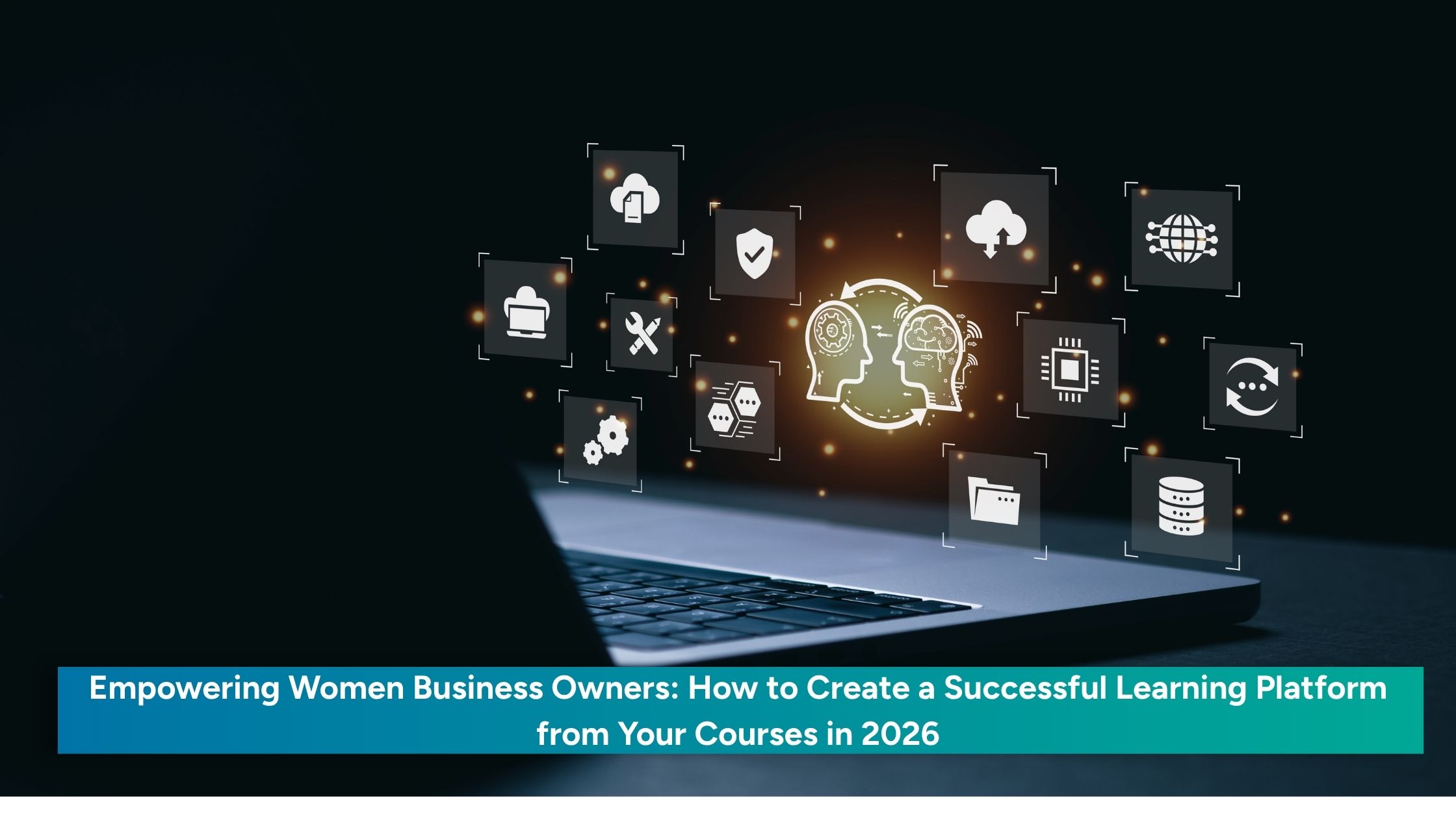
A learning management system helps women business owners create an online education platform. It puts their knowledge, coaching methods, training programs, and consulting skills into a clear format. In 2026, building a successful course platform will require more than just uploading lessons. The project must create a clear system for identification. It also needs strong student access methods, a solid course framework, and an automated messaging system. It should also have a learning platform that boosts education and helps business growth.
This is a great chance for women entrepreneurs in South India, especially in Trichy and Tamil Nadu.
Many women-led businesses already have valuable expertise. Coaches guide clients. Consultants solve business problems. Trainers teach skills. Educators run classes. Startup founders share practical experience. But much of this knowledge often stays inside live sessions, WhatsApp groups, offline workshops, or one-to-one calls. That is where a structured online course platform becomes useful.
The program enables people to develop a learning system that others can use for their studies. This blog’s content fits the ideal customer profile set by Lamppost Digital. It focuses on businesses led by women and organisations run by educators. They need services such as LMS development, website design, SEO, landing pages, CRM, and WhatsApp automation.
Table of Contents
A Learning Platform Is More Than a Place to Upload Videos
Many course creators believe that an online learning platform is just about uploading videos and sharing login info. That is just one part of the system.
A good learning platform should help learners move from interest to enrolment. Then, it should support them from enrolment to progress, and finally guide them from progress to completion.
That journey offers:
- Clear course information
- Simple registration
- Secure payment
- Easy login
- Organised lessons
- Progress tracking
- Timely reminders
- Learner support
- Follow-up communication
When these pieces work together, the course feels professional. Learners understand what to do next. The business owner gets better control. The brand builds more trust.
This is why women business owners should look at a learning management system as a growth system, not only as a technical tool.
Why 2026 Is a Strong Year for Women-Led Learning Businesses
Women entrepreneurs are building strong knowledge-based businesses. They work in many areas, such as coaching, wellness, career training, finance, education, digital skills, communication, beauty, consulting, and entrepreneurship.
Many already have an audience. Some have Instagram followers. Some have local students. Some have workshop participants. Some have loyal consulting clients. The next step is to organize that trust into a course-based business model.
A good online training platform lets women business owners reach more people. They can do this without relying solely on live sessions. It helps them create a great learning experience. They can build authority in their niche, sell beyond referrals, and help learners with organised resources. They also promote courses using SEO and digital campaigns.
For example, a business coach in Trichy can create a course for first-time women entrepreneurs. A wellness consultant can launch a guided lifestyle program. A spoken English trainer can create a structured communication course. A digital marketing educator can create a practical course for local business owners. The opportunity is not only in creating content. The real opportunity is in creating a learning experience that feels clear, supportive, and trustworthy.
What Is a Learning Management System?
A learning management system is a digital platform that helps you host, organize, deliver, and manage your courses.
It can include video lessons, PDF resources, worksheets, quizzes, assignments, certificates, payment access, student login, course dashboards, progress tracking, email reminders, and WhatsApp communication.
In simple terms, it becomes your digital classroom.
Your LMS streamlines everything. It combines video sharing, payment details, learner tracking, and FAQs all in one organised space. This helps both the learner and the business owner. The learner gets a smoother experience. The business owner gets better visibility, better control, and a system that can grow.
Course Strategy Should Come Before Platform Setup
A course platform works well only when the course itself has strong positioning.
Before choosing an LMS tool or building a course website, women business owners should define the course clearly.
Start with four questions.
Who is the course for?
A course for “business owners” may feel too broad. A course for “home-based women entrepreneurs who want to start selling services online” feels more specific and useful.
What result will the learner achieve?
People join a course because they want a result. That result may be learning a skill, starting a business, improving confidence, building a system, or solving a specific problem.
Why should learners trust you?
Your experience, story, local understanding, client work, teaching style, and practical examples help build trust.
How will the course guide learners?
A strong course needs structure. Modules, lessons, worksheets, examples, tasks, and review points guide learners step by step.
Clear positioning boosts your landing page, course content, SEO, ads, and learner experience.
Your Online Course Platform Needs a Clear Learner Journey
A successful online course platform should not feel confusing. Learners should know where to start, what to complete, and how to get support. The learner journey usually includes five stages.
The first thing the learner does is find your course through a blog, Google search, social media post, ad, referral, or WhatsApp message. At this point, your website and content should make it clear what problem your course solves. After that, the learner goes to your landing page and looks at the course details. This page will cover who the course is for, what learners will gain, the modules included, and how the course operates.
Then, the learner decides to enrol. The payment, registration, and confirmation process should feel simple and trustworthy.
The learner begins the course by accessing the LMS after they complete their enrollment. The dashboard, along with the lessons, resources, and reminders, should help students learn easily.
The communication process should have:
- Welcome messages
- Progress updates
- Review requests
- Support information
The complete educational experience of the course develops through this path.
Key Features Every Online Learning Platform Should Have in 2026
An online learning platform should support both learning and business growth. The platform should provide an easy experience for learners and allow the business owner complete control.
The platform needs to support mobile access because Indian learners use mobile phones as their primary device. All mobile devices must work well with course content, videos, login areas, forms, and payment processes.
The platform needs to provide a complete course dashboard for learning purposes. Students should be able to clearly see lessons, modules, progress, resources, and what comes next. Organized modules are equally important. The course should present structured content instead of presenting random video collections. Each lesson should have one purpose and one action point.
The platform needs a secure payment and login system. Students need a simple way to register for courses, pay fees, get course confirmations, and access their classes. The system receives additional strength from its automation features. The system uses email, CRM, and WhatsApp automation.
It sends:
- welcome messages
- payment confirmations
- course access details
- class reminders
- lesson updates
- follow-up messages
Every course requires a landing page that meets SEO requirements. The page needs to present course results and student demographics, course content and instructor details, student testimonials, frequently asked questions, pricing information, and a call-to-action.
SEO Matters for Learning Platforms.
The learning platform requires SEO to gain public awareness, while the best course needs to reach its target audience. SEO enables your course pages and blogs to show up in search results when users look for learning solutions.
Your audience will search for terms like:
- learning management system
- online course platform
- online learning platform
- online training platform
The course website should show all its content clearly. Use descriptive page titles and useful meta descriptions. Organise headings well and create landing pages focused on the course. Include helpful blog posts, an FAQ section, internal links, and image alt text. Also, ensure the design works well on mobile devices. The goal is not to repeat keywords unnaturally. The goal is to answer what your audience is already searching for. The blog’s standard operating procedure starts with answers. This makes it easy to read. It also helps to place keywords, link internally, and add call-to-action buttons. This can boost conversions. Content should be easy to read, even when it’s optimised for search engines. It must also feel human and provide clear, practical information.
The Importance of Local Strategy for Trichy and Tamil Nadu
The South Indian course platform should offer unique features that stand out from standard ones.
Students from Trichy, Chennai, Coimbatore, Madurai, and other areas in Tamil Nadu learn better with local examples in their materials. Simple explanations and familiar ways of speaking also help.
Your platform lets learners communicate in Tamil and English. It also offers WhatsApp inquiry support, local testimonials, and examples from Tamil Nadu businesses. You’ll find city-specific SEO content, mobile-optimized course access, and simple payment methods too.
This feature makes your platform easier for users to understand and use in their daily lives. A coach, consultant, trainer, and educator from Trichy builds his local reputation first. Then, he expands his services to clients across South India.
The Real Takeaway
A successful learning business in 2026 needs more than knowledge. The business requires structural elements to operate effectively. Women business owners already have experience, skill, stories, and practical understanding. A learning management system helps organize that expertise into a professional learning experience.
Women entrepreneurs need a strong online course platform. This helps them reach more learners, build authority, and create better learning experiences. It also supports their business growth.
Women-led businesses in Trichy, Tamil Nadu, and South India now have a chance to build learning brands. They can develop these brands with confidence and a clear understanding. The future of digital learning belongs to business owners who can combine expertise with the right systems.
Let’s build your learning platform so your courses, learner experience, and business growth work together more clearly.